
What Dermatologists Wish You Knew About Acne
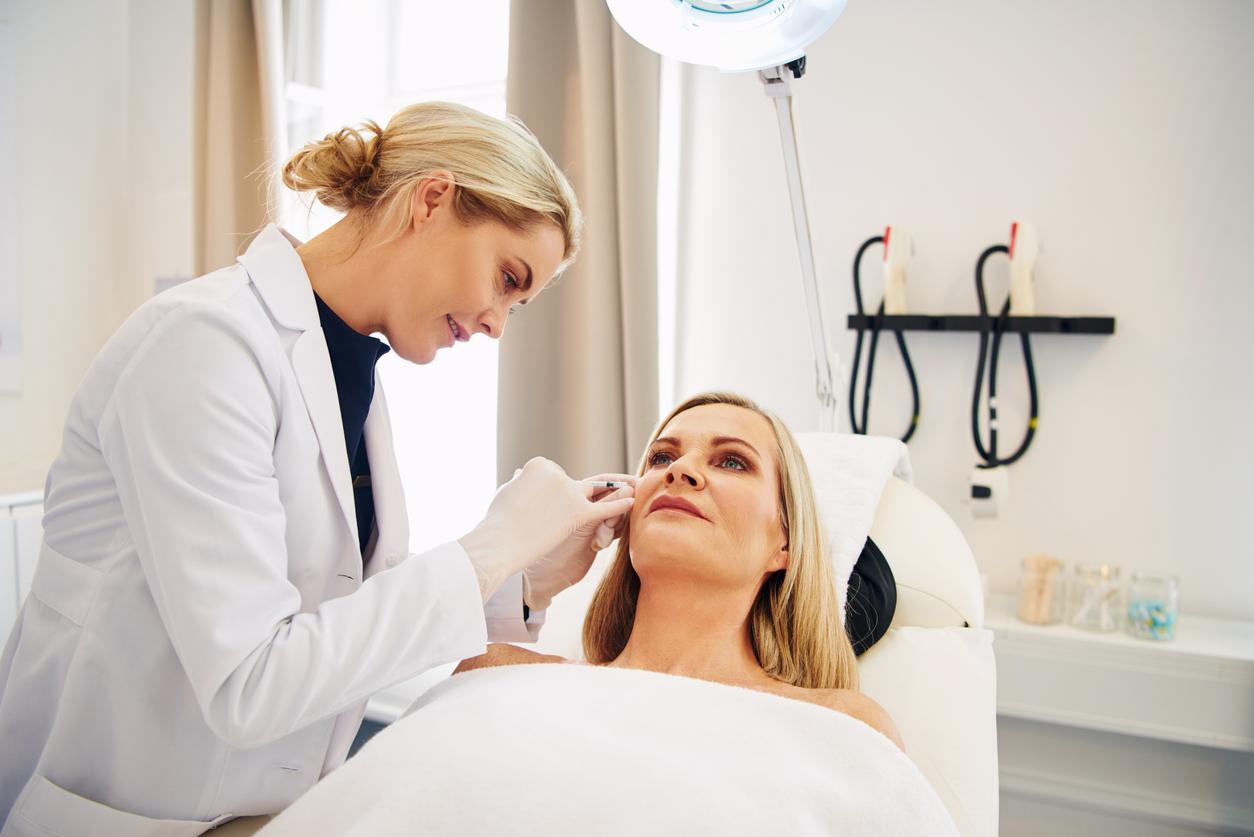
Acne is one of the most common skin concerns worldwide, yet it remains widely misunderstood. Many people believe it only affects teenagers or that it results from poor hygiene, but the reality is far more complex. According to a qualified Dermatologist in Riyadh, acne is a medical condition influenced by hormones, genetics, inflammation, and environmental factors—not simply dirty skin or eating chocolate. Understanding what dermatologists truly want you to know about acne can help you avoid common mistakes, reduce long-term damage, and choose treatments that actually work.
Acne Is Not Caused by Poor Hygiene:
One of the biggest misconceptions about acne is that it happens because you are not washing your face enough, when in fact over-cleansing can worsen breakouts by stripping the skin of its natural oils and disrupting the protective barrier. Acne forms beneath the surface when pores become clogged with excess oil and dead skin cells, creating an environment where bacteria can multiply and trigger inflammation. Scrubbing aggressively or washing multiple times a day often leads to irritation, redness, and increased oil production, making the condition harder to manage rather than improving it.
-
Overwashing can irritate skin
-
Harsh scrubs damage the barrier
-
Acne begins below the surface
-
Oil production increases when skin is stripped
-
Gentle cleansing is more effective
Acne Affects Adults Too:
While acne is common during adolescence due to hormonal changes, many adults continue to experience breakouts well into their 20s, 30s, and even 40s, often due to stress, hormonal fluctuations, or lifestyle factors. Adult acne frequently appears around the jawline and chin and may be deeper or more inflammatory than teenage breakouts. Ignoring adult acne or assuming it will disappear on its own can lead to scarring and pigmentation issues, which are often more challenging to treat than the acne itself.
Not All Acne Is the Same:
Dermatologists emphasize that acne is not a one-size-fits-all condition, as it presents in different forms including blackheads, whiteheads, papules, pustules, nodules, and cysts. Each type develops differently and may require a specific treatment approach rather than relying on a single over-the-counter product for all breakouts. Identifying the type of acne you have is essential for selecting the right ingredients and avoiding treatments that may aggravate certain lesions.
-
Comedonal acne (blackheads and whiteheads)
-
Inflammatory acne (red, swollen pimples)
-
Nodular acne (firm, painful lumps)
-
Cystic acne (deep, pus-filled lesions)
-
Hormonal acne (jawline and chin breakouts)
Popping Pimples Can Cause Long-Term Damage:
Although it may be tempting to squeeze a pimple for quick relief, doing so can push bacteria and debris deeper into the skin, increasing inflammation and raising the risk of scarring. Dermatologists frequently treat patients dealing with acne scars that could have been prevented by avoiding picking or popping. The skin’s healing process is delicate, and trauma from squeezing can lead to dark spots, uneven texture, and permanent indentations that require advanced treatments to improve.
Diet Can Play a Role—But It’s Not the Whole Story:
Diet is often blamed entirely for acne, but dermatologists clarify that while certain foods may contribute to breakouts in some individuals, acne is primarily driven by internal factors such as hormones and genetics. High-glycemic foods and excessive dairy consumption have been linked to acne in some studies, yet responses vary widely between individuals. Instead of eliminating entire food groups without guidance, it is more effective to monitor personal triggers and focus on a balanced diet that supports overall skin health.
-
High-sugar diets may increase inflammation
-
Dairy can trigger breakouts in some people
-
Hydration supports skin function
-
Nutrient-rich foods promote healing
-
Individual responses vary
Over-the-Counter Products Have Limits:
Many people rely solely on drugstore treatments for months without improvement, unaware that moderate to severe acne often requires prescription-strength medication to control inflammation and prevent scarring. Ingredients like benzoyl peroxide and salicylic acid can help mild acne, but deeper or persistent breakouts may need topical retinoids, oral antibiotics, or hormonal therapy. Consulting a Dermatologist in Riyadh ensures that your treatment plan is tailored to your specific acne type and severity rather than relying on trial and error.
Acne Scars Are Harder to Treat Than Acne:
Dermatologists often wish patients understood that preventing acne scars is far easier than treating them later, as scar revision procedures can be time-consuming and require multiple sessions. Once collagen in the skin is damaged, restoring smooth texture may involve laser therapy, microneedling, chemical peels, or other advanced interventions. Early and consistent acne management reduces the likelihood of permanent marks and preserves the skin’s natural structure.
-
Atrophic scars (indented scars)
-
Hypertrophic scars (raised scars)
-
Post-inflammatory hyperpigmentation
-
Uneven texture
-
Long-term collagen damage
Stress Has a Real Impact on Breakouts:
Stress triggers the release of hormones such as cortisol, which can increase oil production and inflammation, contributing to acne flare-ups even in individuals with otherwise controlled skin. Busy lifestyles, lack of sleep, and emotional strain can disrupt hormonal balance and weaken the immune system, making the skin more reactive. Managing stress through healthy habits such as regular exercise, sufficient sleep, and relaxation techniques can support clearer skin alongside medical treatments.
Consistency Matters More Than Quick Fixes:
Many acne treatments require several weeks to show visible improvement, yet patients often stop using them too soon due to temporary dryness or irritation. Dermatologists emphasize the importance of consistency and patience, as the skin needs time to respond and renew itself. Abruptly switching products or overloading the skin with multiple active ingredients can disrupt progress and worsen breakouts rather than speeding up results.
Professional Guidance Makes a Difference:
Acne can significantly affect self-confidence and emotional well-being, especially when it becomes chronic or resistant to basic treatments. Working with a qualified Dermatologist in Riyadh provides access to accurate diagnosis, medical-grade therapies, and personalized strategies that address both active breakouts and long-term prevention. Dermatologists can also adjust treatment plans over time, ensuring that your skincare evolves with hormonal changes, seasonal shifts, and lifestyle factors.
Final Thoughts:
Acne is a complex medical condition influenced by hormones, genetics, inflammation, and environmental factors—not simply a result of poor hygiene or diet. Understanding what dermatologists wish you knew can help you avoid common mistakes like overwashing, picking at pimples, or relying solely on over-the-counter products for severe cases. With early intervention, consistent care, and professional guidance, clearer skin becomes an achievable goal rather than a constant frustration.

 English
 Arabic
 French
 Spanish
 Portuguese
 Deutsch
 Turkish
 Italiano
 Russian
 Romaian
 Brasiliano
 Greek
Greek