
Debunking Hair Transplant Failure Myths Once and For All
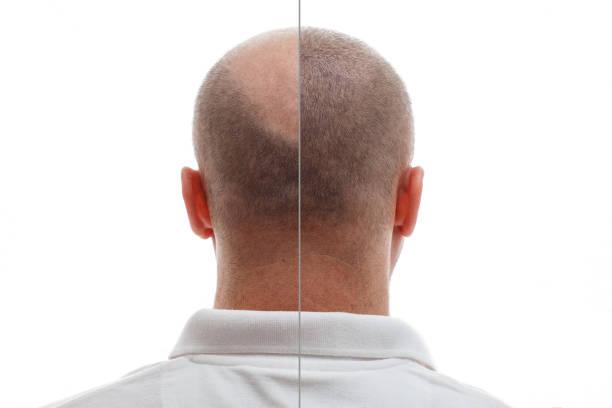
Have you ever scrolled through forums or social media, only to stumble upon horror stories about hair transplants gone wrong? Tales of patchy results, endless shedding, or hair that never grows back can send chills down your spine. But what if most of these "failures" are just myths fueled by misinformation? In this eye-opening post, we're diving deep to debunk the top hair transplant failure myths, arming you with facts so you can approach restoration with confidence. Cheapest Hair Transplant in Riyadh(ارخص زراعة شعر في الرياض) Stick around—you'll uncover the truth behind these scares and why modern techniques deliver stunning, natural results.
Let's face it: the fear of a botched procedure keeps many from pursuing the fuller head of hair they deserve. Hair Transplant in Riyadh has surged in popularity thanks to cutting-edge methods and skilled specialists who prioritize patient success. By busting these myths, we'll explore how hair transplant in Riyadh achieves high success rates, often exceeding 90% when done right. Whether you're battling a receding hairline or thinning crown, understanding the realities empowers smarter decisions.
Myth 1: Hair Transplants Always Look Unnatural or "Pluggy"
Picture this: outdated images from the '90s showing doll-like plugs dotting scalps. That's the image that haunts many. Hair transplant in Riyadh? Far from it. Modern techniques like Follicular Unit Extraction (FUE) harvest individual follicles, mimicking your natural growth pattern. Surgeons artfully place them at precise angles and densities for seamless blending. Patients rave about results indistinguishable from their original hair. The key? Choosing advanced methods over relics like old-school strip harvesting. Real talk: with proper design, your transplant blends so well, even your barber won't notice.
Myth 2: Transplanted Hair Falls Out Permanently and Never Grows Back
The shock of post-op shedding strikes fear into hearts everywhere. "My new hair is gone forever!" Not true. This "shock loss" is a normal phase—transplanted follicles enter a rest period before sprouting stronger than ever. By month three, baby hairs emerge, thickening over 12-18 months. In hair transplant procedures, these robust follicles are genetically resistant to balding, ensuring lifelong growth. Track progress with photos; patience reveals the magic. Fun fact: many see peak density at year one, turning skeptics into advocates.
Myth 3: Hair Transplants Fail If You're Not a Perfect Candidate
"You need a full donor area or young age," they say. Wrong. Success hinges on realistic expectations, not perfection. Even those with moderate donor hair benefit from strategic placement prioritizing high-impact zones like the hairline. Age? Mid-30s to 50s often yield the best outcomes, as patterns stabilize. Lifestyle factors like smoking or poor diet play roles, but pre-op optimizations fix that. Clinics assess via detailed scalp analysis, tailoring plans for diverse needs—proving "failure" is rare with proper vetting.
Myth 4: Scars from Hair Transplants Ruin Short Hairstyles
Visible scars? A thing of the past. FUE leaves tiny, dot-like marks that fade into invisibility, perfect for buzz cuts or fades. Strip methods (FUT) create linear scars, but skilled closure techniques minimize them to hair-concealable lines. Post-op care like silicone gels accelerates healing. Thrill-seekers with active lifestyles return to gyms and sports scar-free. Bottom line: choose your method wisely, and scars become a non-issue.
Myth 5: Hair Transplants Don't Work on Curly, Thick, or Ethnic Hair Types
One-size-fits-all? Hardly. Curly or coarse hair poses unique challenges, but experts excel here. FUE adapts to curl patterns, preserving natural bounce. For African or Middle Eastern textures, surgeons use specialized tools for clean extractions. Results? Lush, voluminous crowns that match your ethnicity perfectly. Studies show comparable success rates across hair types when technique matches texture—demolishing this outdated myth.
Myth 6: Results Fade Over Time, Requiring Constant Touch-Ups
"Ten years later, it's all gone." Nope. Transplanted hairs are permanent, DHT-resistant warriors. Native hair may thin due to ongoing baldhair loss, creating contrast—but meds like finasteride preserve the rest. Maintenance? Simple: PRP therapy or meds extend vibrancy. Long-term photos from decade-plus patients show enduring density. Invest once, enjoy forever—with smart upkeep.
Myth 7: Pain and Downtime Make Hair Transplants Unbearable
Surgery sounds brutal, right? Modern local anesthesia makes it a breeze—many nap through it. Post-op? Mild soreness eases in days with meds. Swelling peaks at day three, then vanishes. Back to work in a week, gym in two. No general anesthesia nightmares. Patients describe it as "easier than a root canal." Downtime debunked.
Ready to separate fact from fiction and take the next step? Book an appointment consultation clinic at Enfield Royal Riyadh (إنفيلد رويال الرياض) for personalized advice tailored to your hair goals.
Why These Myths Persist and How to Avoid Real Pitfalls
Myths thrive on rare bad experiences amplified online. Truth? Failures stem from poor clinic choice, unrealistic goals, or skipping aftercare—not the procedure itself. Vet surgeons via credentials, before-after galleries, and reviews. Follow protocols: gentle washing, sun avoidance, no scratching. Success skyrockets.
FAQs
How long until I see full hair transplant results?
A: Initial growth starts at 3-4 months, with full density by 12-18 months. Patience pays off!
Can hair transplants fix a receding hairline permanently?
A: Yes, transplanted follicles resist balding, delivering a youthful, lasting hairline.
What's the difference between FUE and FUT hair transplants?
A: FUE is scar-minimal with individual extraction; FUT uses a strip for more grafts—ideal for larger areas.
Do hair transplants work for women experiencing hair loss?
A: Absolutely, customized approaches restore thinning areas naturally and effectively.
How do I ensure my hair transplant doesn't fail?
A: Select experienced specialists, follow aftercare, and maintain scalp health for optimal success.

 English
 Arabic
 French
 Spanish
 Portuguese
 Deutsch
 Turkish
 Dutch
Dutch
 Italiano
 Romaian
 Brasiliano
 Greek
Greek